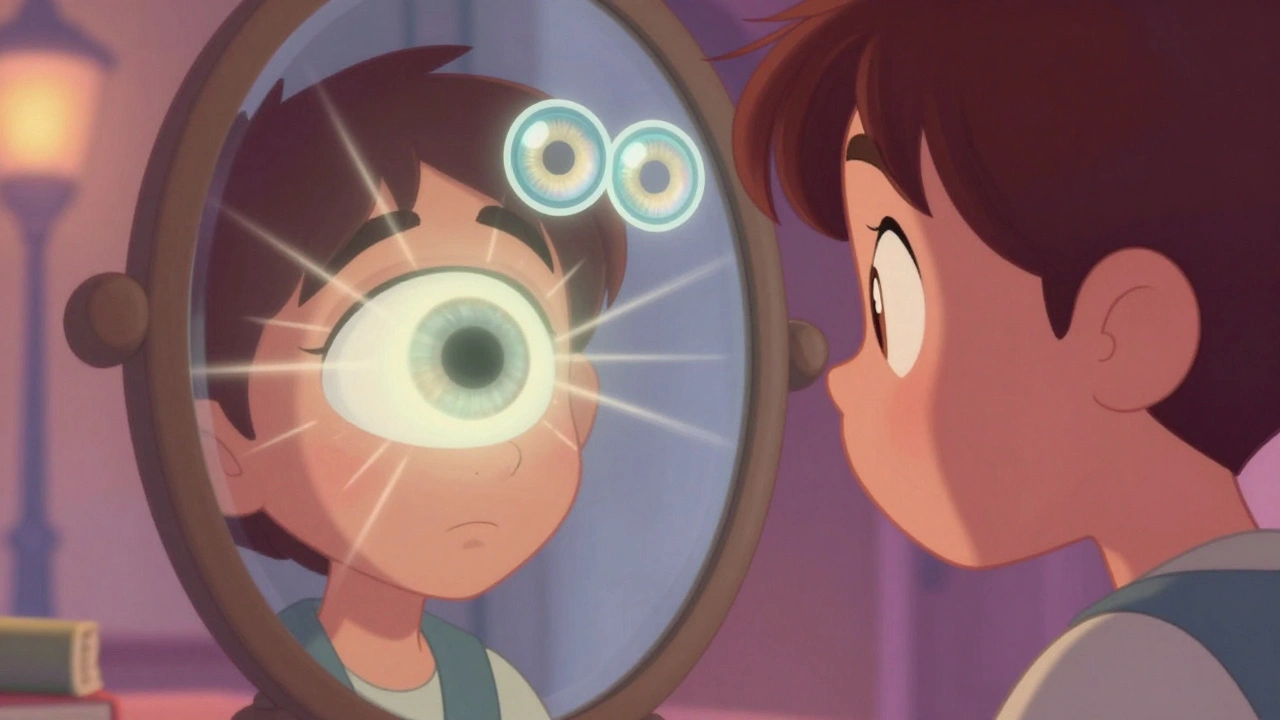
When you need vision correction that soft contacts can’t deliver, rigid contact lenses, a type of hard, oxygen-permeable lens designed to maintain shape and provide crisp vision. Also known as gas permeable contacts, they’re not the first choice for most people—but for those with specific eye conditions, they’re often the only solution that works. Unlike soft lenses that bend to fit your eye, rigid lenses hold their form, letting light focus more precisely on the retina. This makes them especially powerful for people with keratoconus, a condition where the cornea thins and bulges into a cone shape, distorting vision, or those with high astigmatism that doesn’t respond well to standard lenses.
These lenses don’t just correct vision—they can actually reshape the cornea over time. That’s the idea behind corneal reshaping, a non-surgical method using specially designed rigid lenses worn overnight to temporarily flatten the cornea and reduce daytime dependence on glasses or contacts. It’s not for everyone, but for kids and young adults with progressing nearsightedness, it’s a game-changer. And because they’re made from durable, breathable materials, they last longer than soft lenses and reduce the risk of infections when cleaned properly. Still, they take getting used to. Most people feel them at first, and it can take a week or two before they feel natural. But if you’ve tried soft lenses and still see blurry, ghosted, or doubled images, rigid lenses might be the fix you’ve been looking for.
People who wear them often do so because they have no other good options. If you’ve been told your eyes are too irregular for soft contacts, or if your vision keeps changing despite new prescriptions, rigid lenses could be your answer. They’re also preferred by some athletes and outdoor workers because they don’t dry out as easily and stay put better during movement. But they’re not a one-size-fits-all fix. Proper fitting by an eye care professional is critical, and cleaning routines matter more than ever—dirty lenses can scratch the cornea or cause long-term damage. You’ll need to learn how to insert and remove them safely, and stick to a strict hygiene schedule. The payoff? Sharper vision, fewer eye infections, and sometimes even slowing the progression of certain eye diseases.
What you’ll find below are real, practical guides on how rigid contact lenses work, who they help most, how to care for them, and what to do if they’re not working right. From managing discomfort to understanding why your optometrist recommended them over soft lenses, these posts cut through the noise and give you exactly what you need to know—no fluff, no jargon, just clear answers.
© 2026. All rights reserved.