
Managing diabetes isn’t just about checking blood sugar levels-it’s about staying safe while doing it. Millions of people rely on insulin and oral medications to control their diabetes, but many don’t realize how easily things can go wrong. A missed dose, a drug interaction, or even a simple mistake with insulin can lead to dangerous drops in blood sugar-or worse, life-threatening complications. This guide cuts through the noise and gives you the real, practical safety facts you need to avoid hospital visits and keep your daily routine stable.
What You’re Really Taking: The Main Types of Diabetes Medications
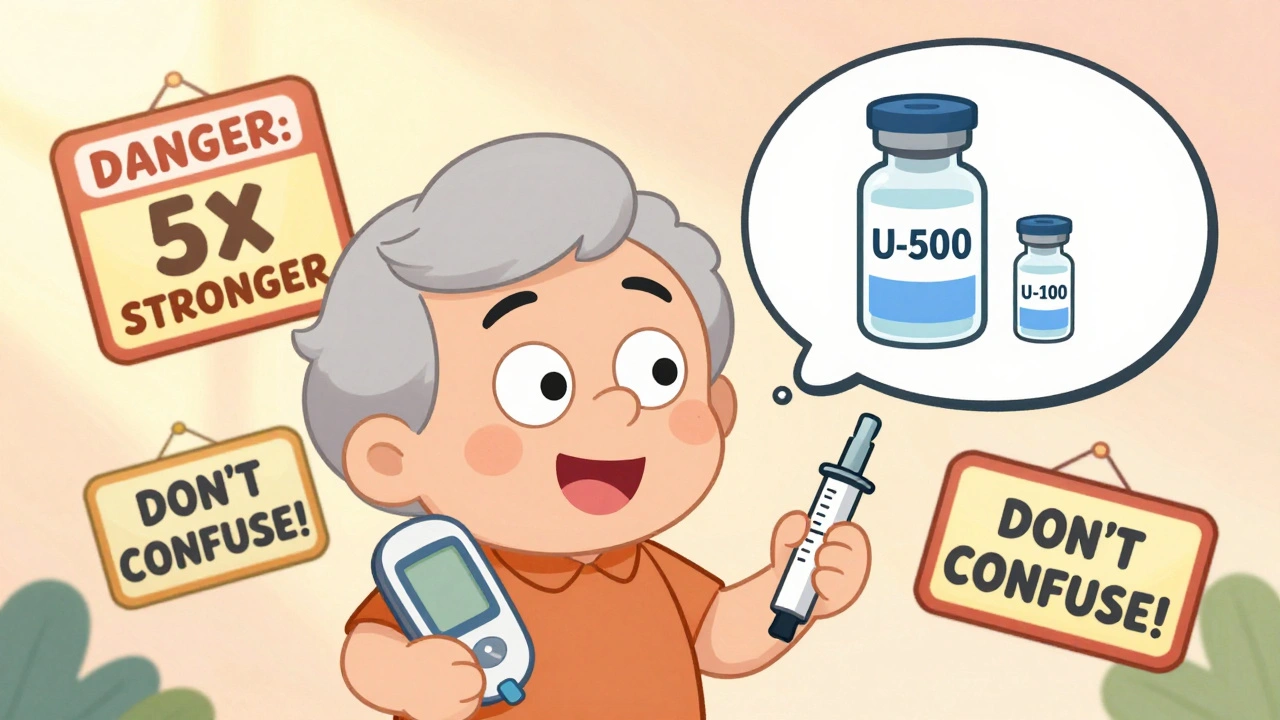
There are two big categories of diabetes meds: insulin and oral (or injectable) agents. Insulin is essential for people with type 1 diabetes and some with type 2. It comes in different forms: rapid-acting (like lispro or aspart), long-acting (like glargine or degludec), and concentrated versions like Humulin R U-500. That last one? It’s five times stronger than regular insulin. A single accidental overdose can send blood sugar crashing-and fast. Oral medications are mostly for type 2 diabetes. There are over ten classes, but the most common are:- Metformin - First-line treatment. Low risk of low blood sugar, but can cause stomach upset and needs kidney checks.
- Sulfonylureas (glyburide, glipizide) - Work by forcing the pancreas to release more insulin. High risk of hypoglycemia, especially at night.
- SGLT2 inhibitors (empagliflozin, dapagliflozin) - Make your kidneys flush out sugar. Great for heart and kidney protection, but raise risk of yeast infections and rare but serious DKA.
- GLP-1 receptor agonists (semaglutide, liraglutide) - Slow digestion and boost insulin. Very effective for weight loss, but nausea and vomiting are common when starting.
- DPP-4 inhibitors (sitagliptin) - Mild effect. Low hypoglycemia risk, but not as powerful as others.
It’s not just about picking the right drug-it’s about knowing how yours works and what it can do to your body.
The Silent Danger: Hypoglycemia and Who’s Most at Risk
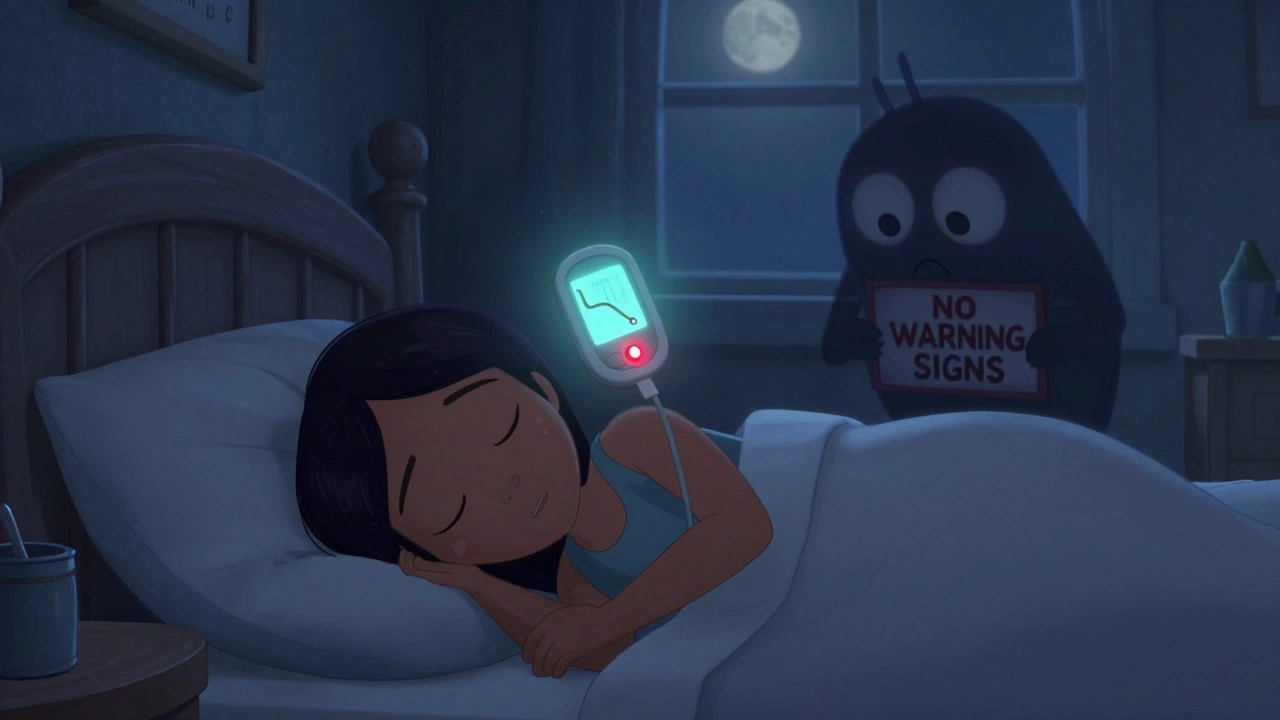
Low blood sugar is the #1 safety issue with diabetes meds. It doesn’t just mean feeling shaky or sweaty. Severe hypoglycemia can cause seizures, loss of consciousness, or even death. About 20-40% of people on sulfonylureas experience low blood sugar at least once a year. For 1-7%, it’s bad enough that they need someone else to help them-like calling 911 or giving a glucagon shot. Here’s the scary part: up to 30% of people with type 2 diabetes on these drugs have asymptomatic nighttime lows. That means they sleep through it. No warning signs. No sweat. No shakiness. Just a dangerous drop that can go unnoticed until it’s too late. Older adults are especially vulnerable. People over 65 are more likely to have severe reactions, even with small dose changes. Dizziness from low blood sugar can lead to falls, broken hips, or head injuries. Banner Health reports that dizziness from diabetes meds is one of the top causes of ER visits in seniors. Insulin users aren’t off the hook either. A 2023 study showed that even people using advanced insulin pumps with sensors still get unexpected lows-especially if they skip meals, drink alcohol, or exercise without adjusting their dose.Drug Interactions You Can’t Afford to Ignore
Your diabetes meds don’t live in a vacuum. They interact with other drugs you might be taking-and those interactions can be deadly. For example:- Antibiotics like sulfamethoxazole/trimethoprim can make insulin and sulfonylureas work too hard, causing sudden hypoglycemia. Reddit users in r/diabetes have shared stories of ending up in the ER after starting a simple UTI antibiotic.
- Quinine (used for leg cramps) and sunitinib (a cancer drug) can increase insulin effects.
- Somatostatin analogues (used for hormonal disorders) can cause unpredictable blood sugar swings.
- NSAIDs like ibuprofen, when taken long-term, can mask the early warning signs of low blood sugar.
Always tell every doctor and pharmacist you see that you have diabetes and list every medication you take-even over-the-counter ones, supplements, or herbal teas. A simple cold medicine with pseudoephedrine can raise blood sugar. A magnesium supplement might interfere with metformin absorption. There’s no such thing as a ‘harmless’ pill when you’re on diabetes meds.
Special Risks: SGLT2 Inhibitors and DKA
SGLT2 inhibitors are popular because they help your heart, kidneys, and weight. But they come with a hidden risk: diabetic ketoacidosis (DKA)-a life-threatening condition where your body starts burning fat for fuel because it can’t use sugar. Most people think DKA only happens when blood sugar is sky-high. But with SGLT2 inhibitors, it can happen even when your sugar is only slightly elevated-sometimes under 250 mg/dL. This is called euglycemic DKA. It’s rare, but it’s happened in 5-10% of SGLT2-related DKA cases. The FDA issued a boxed warning for this. You’re at higher risk if you:- Have surgery (even minor dental work)
- Get seriously ill (like the flu or pneumonia)
- Drink heavily or follow a very low-carb or ketogenic diet
- Stop taking your meds suddenly
The American Association of Clinical Endocrinologists says: Stop SGLT2 inhibitors at least 24 hours before any surgery. Don’t wait for your doctor to tell you-ask ahead of time. If you feel nauseous, have abdominal pain, or start breathing fast while on one of these drugs, test for ketones. Don’t wait for your sugar to spike.
Metformin and Kidney Safety: The eGFR Rule
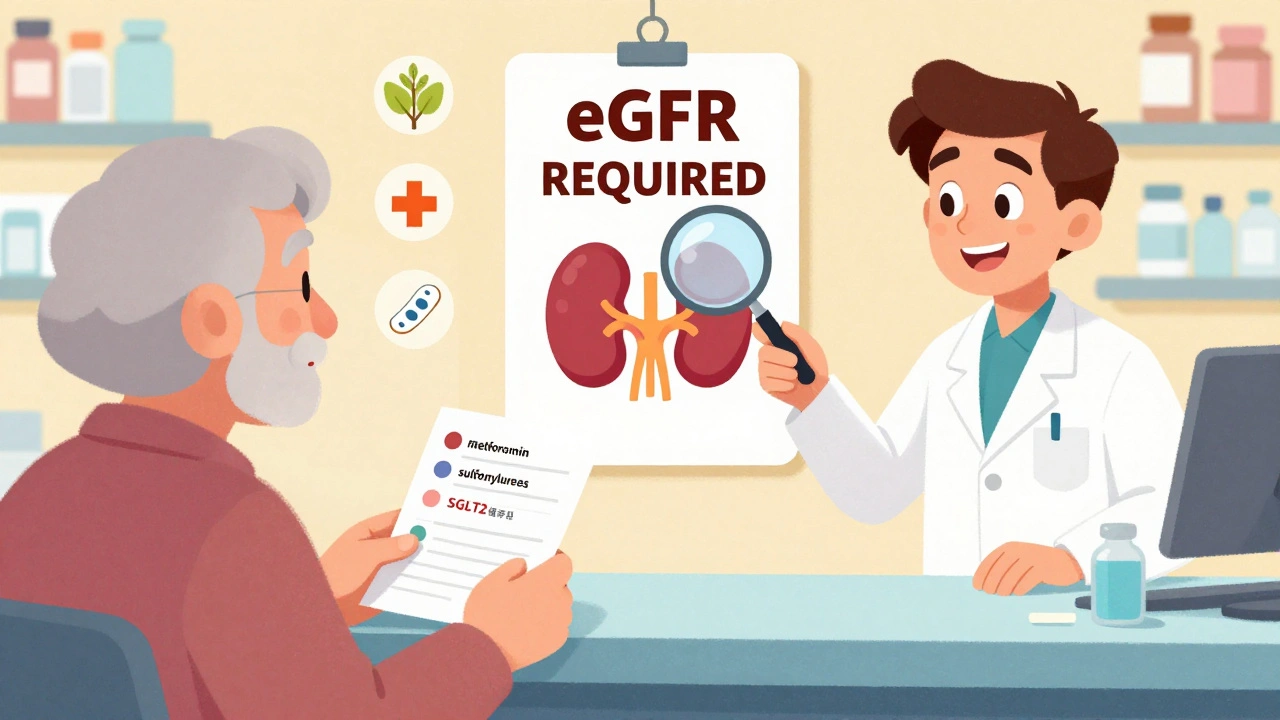
Metformin is safe for most people-but not if your kidneys aren’t working right. It’s cleared by the kidneys, and if they’re slow, the drug builds up and can cause lactic acidosis-a rare but deadly condition. The FDA says:- eGFR below 30: Don’t take metformin.
- eGFR 30-45: Use with caution. Monitor kidney function every 3 months.
- eGFR 45-60: Reduce your dose.
Many doctors still don’t check eGFR before prescribing metformin. You need to ask for it. If you’re over 65, have heart failure, or are dehydrated, your kidneys might be working less efficiently-even if you feel fine. A simple blood test can prevent disaster.
Insulin Mistakes That Can Kill
Insulin isn’t just a pill you swallow. It’s a precise tool-and mistakes happen every day. Common errors:- Confusing U-500 with U-100. One is five times stronger. People have overdosed because they thought they were using the same insulin.
- Injecting into muscle instead of fat. That makes insulin act too fast and causes sudden lows.
- Not rotating injection sites. This causes lumps under the skin (lipohypertrophy), which messes up absorption and leads to unpredictable blood sugar swings.
- Using expired or improperly stored insulin. Heat, light, or freezing can break it down. A vial you’ve had in your purse all summer? It’s probably useless.
YouTube nursing videos show real patients misreading syringes or pens. Use a magnifying glass if you have trouble seeing the numbers. Always double-check the label. If you’re unsure, ask a pharmacist to show you how to use it.
What You Should Do Every Day
Safety isn’t something you do once a year at your doctor’s visit. It’s daily habits.- Keep a written log of your meds, doses, times, and any side effects (nausea, dizziness, frequent urination).
- Test your blood sugar more often when you’re sick, stressed, or changing routines.
- Wear a medical ID that says you have diabetes and what meds you take.
- Always have fast-acting sugar on hand-glucose tablets, juice, candy. Don’t rely on finding something in an emergency.
- Teach someone close to you how to give a glucagon shot. Most pharmacies sell it without a prescription now.
- Never skip meals if you’re on insulin or sulfonylureas.
- Limit alcohol. It lowers blood sugar and masks warning signs.
If you’re over 65, ask your doctor if your dose is too high. Tight control isn’t always better. For older adults, a blood sugar of 140-180 mg/dL is often safer than chasing 100.
Newer Tools That Make Safety Easier
Technology is helping. Automated insulin delivery (AID) systems-like the MiniMed 780G or Omnipod 5-adjust insulin automatically based on your glucose levels. In clinical trials, they’ve increased time in target range by 20% and cut hypoglycemia by up to 40%. Continuous glucose monitors (CGMs) aren’t just for insulin users anymore. Even people on oral meds benefit from seeing trends. If your sugar drops at 3 a.m. every night, you’ll know it’s not just bad sleep-it’s your medication.What to Do If Something Feels Off
If you notice any of these:- Unexplained nausea, vomiting, or stomach pain
- Frequent yeast infections (especially if you’re on SGLT2 inhibitors)
- Confusion, dizziness, or fainting
- Unusual fatigue or rapid breathing
Don’t wait. Call your doctor. Test your blood sugar. Test for ketones if you’re on an SGLT2 inhibitor. Keep a record of what happened. Bring it to your next appointment. You’re not overreacting-you’re protecting your life.
Can I stop my diabetes medication if I lose weight?
Sometimes, yes-but never on your own. Weight loss can improve insulin sensitivity, and some people with type 2 diabetes reduce or even stop meds after significant lifestyle changes. But stopping suddenly can cause blood sugar to spike dangerously. Always work with your doctor to adjust doses gradually while monitoring closely.
Is metformin safe for long-term use?
Yes, for most people. Metformin has been used safely for over 60 years. Long-term use may slightly lower vitamin B12 levels, so ask your doctor to check that every 2-3 years. It doesn’t damage kidneys-it just needs your kidneys to be healthy enough to clear it. If your eGFR stays above 45, you’re generally fine.
Why do I keep getting yeast infections on SGLT2 inhibitors?
SGLT2 inhibitors make your kidneys dump sugar into your urine. That sugar feeds yeast, especially in warm, moist areas. Women are more likely to get vaginal yeast infections; men can get penile yeast infections. It happens in about 4-5% of users. Keeping the area clean and dry helps. If it keeps coming back, talk to your doctor about switching or adding an antifungal treatment.
Can alcohol cause low blood sugar with diabetes meds?
Yes, especially with insulin or sulfonylureas. Alcohol blocks the liver from releasing stored glucose, which can cause a drop hours after drinking-even while you’re sleeping. Never drink on an empty stomach. If you drink, have a snack and check your blood sugar before bed. Limit to one drink per day for women, two for men.
What’s the safest diabetes medication for older adults?
Metformin is often safest if kidney function is good. If metformin isn’t an option, glipizide (a sulfonylurea) is preferred over glyburide because it’s less likely to cause long-lasting lows. Avoid long-acting sulfonylureas and insulin unless absolutely necessary. GLP-1 agonists are also safe but can cause nausea. The goal for older adults isn’t perfect numbers-it’s avoiding lows and falls.
Olivia Hand
December 8, 2025 AT 18:47Just read this and immediately checked my insulin pen-thank god I didn’t mix up U-500 and U-100. I’ve seen people do it on YouTube tutorials and it’s terrifying. Also, the part about asymptomatic nighttime lows? I’ve slept through two of those. Now I set an alarm for 2 a.m. and check my CGM. No more guessing.
Also, why is no one talking about how insurance makes these CGMs nearly impossible to get? Like, I’m paying $800/month for meds and they won’t cover the thing that keeps me alive? 🤦♀️
Sam Mathew Cheriyan
December 10, 2025 AT 11:47lol so insulin is a gov’t plot to sell more glucose strips?? 😂
my uncle took metformin for 20 yrs and now he’s a 90 yr old rockstar who runs marathons-so maybe all these ‘risks’ are just pharma fearmongering? also, i heard the FDA is funded by big pharma so they hide the truth about DKA. ask the chemtrails guy-he knows.
also, i think diabetes is caused by 5G. just sayin’.
Ernie Blevins
December 11, 2025 AT 23:28Ugh. Another ‘safety guide’ from someone who’s never had to manage this crap. You think people don’t know about hypoglycemia? We live it. Every. Single. Day.
Metformin? Sure, it’s ‘safe’ until your kidneys start failing and you’re stuck on dialysis because your doctor didn’t check your eGFR. And don’t get me started on SGLT2 inhibitors-those are just death traps with a fancy name.
And yeah, your ‘daily habits’? Most of us can’t afford the test strips, let alone the glucagon pens. This guide reads like a brochure for rich people who don’t have to choose between food and insulin.
Nancy Carlsen
December 13, 2025 AT 05:10Y’ALL. THIS IS SO IMPORTANT. 💪❤️
I just started on semaglutide and was terrified of the nausea-but I took it with a tiny bit of toast and drank ginger tea. Made all the difference!
Also, got my glucagon kit last week-my partner and I practiced with the training pen. We laughed. We cried. We high-fived. 🤝
If you’re scared, you’re not alone. But you’re stronger than you think. You’ve got this. And if you need someone to talk to, I’m here. No judgment. Just love. 🌈✨
Helen Maples
December 13, 2025 AT 16:11The section on SGLT2 inhibitors and euglycemic DKA is accurate, but it’s dangerously underemphasized in primary care. Patients are not being educated on ketone testing. This is not a ‘rare’ risk-it’s a preventable emergency.
Stop saying ‘if you feel nauseous, call your doctor.’ Say: ‘If you’re on an SGLT2 inhibitor and feel nauseous, test for ketones NOW. If >1.5 mmol/L, go to the ER. Do not wait.’
Also, the eGFR guidelines are not optional. If your doctor hasn’t checked your kidney function in the last six months, get a new doctor. This isn’t advice. It’s a lifeline.
Kyle Flores
December 14, 2025 AT 01:12man i just found out my dad was on glyburide and never knew about the nighttime lows… he passed out last winter and we thought it was just old age.
thanks for this. i’m gonna print it out and take it to his next appt. he’s 72 and still thinks ‘i’m fine’
also-glucagon is available over the counter now? wow. i had no idea. gonna get one for the house.
you’re a real one for putting this out there.
Wesley Phillips
December 15, 2025 AT 13:20Look, I’ve read every guideline from ADA, AACE, and the FDA-none of them mention that insulin pumps are basically glorified IV drips with Wi-Fi
Also, why is metformin still first-line? It’s 1957 medicine. We have GLP-1s now. You’re not ‘saving money’ by prescribing metformin-you’re just delaying the inevitable.
And don’t get me started on ‘wear a medical ID’-as if that helps when you’re unconscious in a Walmart parking lot at 3 a.m. with no one around who knows what ‘DKA’ means
Real talk: this system is broken. But hey, at least your CGM looks cool on your arm 😎
Desmond Khoo
December 17, 2025 AT 12:13Just wanted to say thank you for this. I’m 34 and was diagnosed last year. I was so scared I’d mess up and die in my sleep. This guide actually made me feel like I can handle it.
I started using a pill organizer with alarms. I write everything down in my phone notes. I even made a little checklist for when I’m sick.
And yeah, I cry sometimes. But I’m still here. And I’m learning. And that’s enough for today. 💙